METROIDVANIA &
UTILITY GATING
A portmanteau of Metroid and Castlevania. This genre is defined by a large, interconnected world map where access to new areas is restricted not by literal keys, but by the player's acquired traversal abilities.
The Lock and Key Mechanism
In a standard adventure game, you find a Red Key to open a Red Door. Once the door is open, the key is useless. Metroidvanias replace the key with a permanent character upgrade—like a double jump or a wall dash.
The Art of Backtracking
A successful Metroidvania constantly teases the player. You will walk past a seemingly impossible gap in the first hour of the game, cementing it in your mental map. Ten hours later, when you finally find the grappling hook, the psychological realization hits: I can finally cross that gap in the starting zone.
Utility-Gating Simulator
Interactive Network Map
Acquired Upgrades
The Hall of Fame
Foundational texts and modern masterworks of the genre.
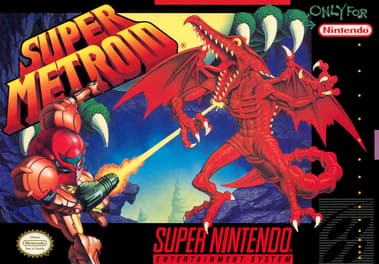
Super Metroid
The gold standard. Stranded on planet Zebes, Samus Aran must hunt for weapons and upgrades to defeat the Space Pirates. It pioneered the concept of a map that unfolds as you power up.

Castlevania: Symphony of the Night
The game that added the 'Vania' to the genre name. It merged Metroid's exploration mechanics with RPG leveling, equipment systems, and dark gothic architecture.

Hollow Knight
A modern masterpiece of atmospheric storytelling and brutal combat, set in the decaying subterranean insect kingdom of Hallownest.
Gamer Lexicon
Sourced from /m/metroidvania.ts