Literature
Literature turns language into an object of sustained attention. Read how a text is made, how its form directs experience, how readers construct interpretations from evidence, and how meaning changes across histories, languages, performances, and critical questions.
Enter through form, language, interpretation, comparison, or literary history.
These planned branches divide the field for navigation, not because texts stay politely inside one box. A play uses poetic language, a novel belongs to literary history, an essay can be read stylistically, and every text can invite several critical approaches.
Once for what happens. Again for how the text makes it happen.
One pattern to test against a story, never a story detector.
Use a story pattern as a question generator, not a mold every story must fit.
Select a stage to examine one familiar version of the hero-journey pattern. A text may compress stages, reorder them, distribute them among several characters, refuse the return, or reject this pattern altogether.
This is one influential narrative template, not a universal theory of literature. Applying it too aggressively can flatten cultural differences, non-quest structures, ensemble narratives, lyric forms, and texts whose point is precisely to resist closure.
Ordinary World
Establish the character's existing routines, relationships, needs, and constraints before the central disruption.
What does normal look like, and what is already unresolved?
Does another character experience the same event as a different stage?
What changes if the text refuses, reverses, or never supplies this stage?
Interpretation gets stronger when every large claim can walk back to a small textual choice.
Close reading is not a hunt for the one secret meaning. It is disciplined attention: notice a feature, trace its pattern, build an interpretation, and make the evidence visible enough for another reader to test the claim.
Texts to revisit through several lenses.
This is a teaching shelf, not a canon ranking. Its purpose is to give form, history, narrative, translation, and interpretation somewhere concrete to meet.

The Great Gatsby
A compact novel useful for studying narration, symbol, desire, class, performance of identity, and the construction of remembered possibility.
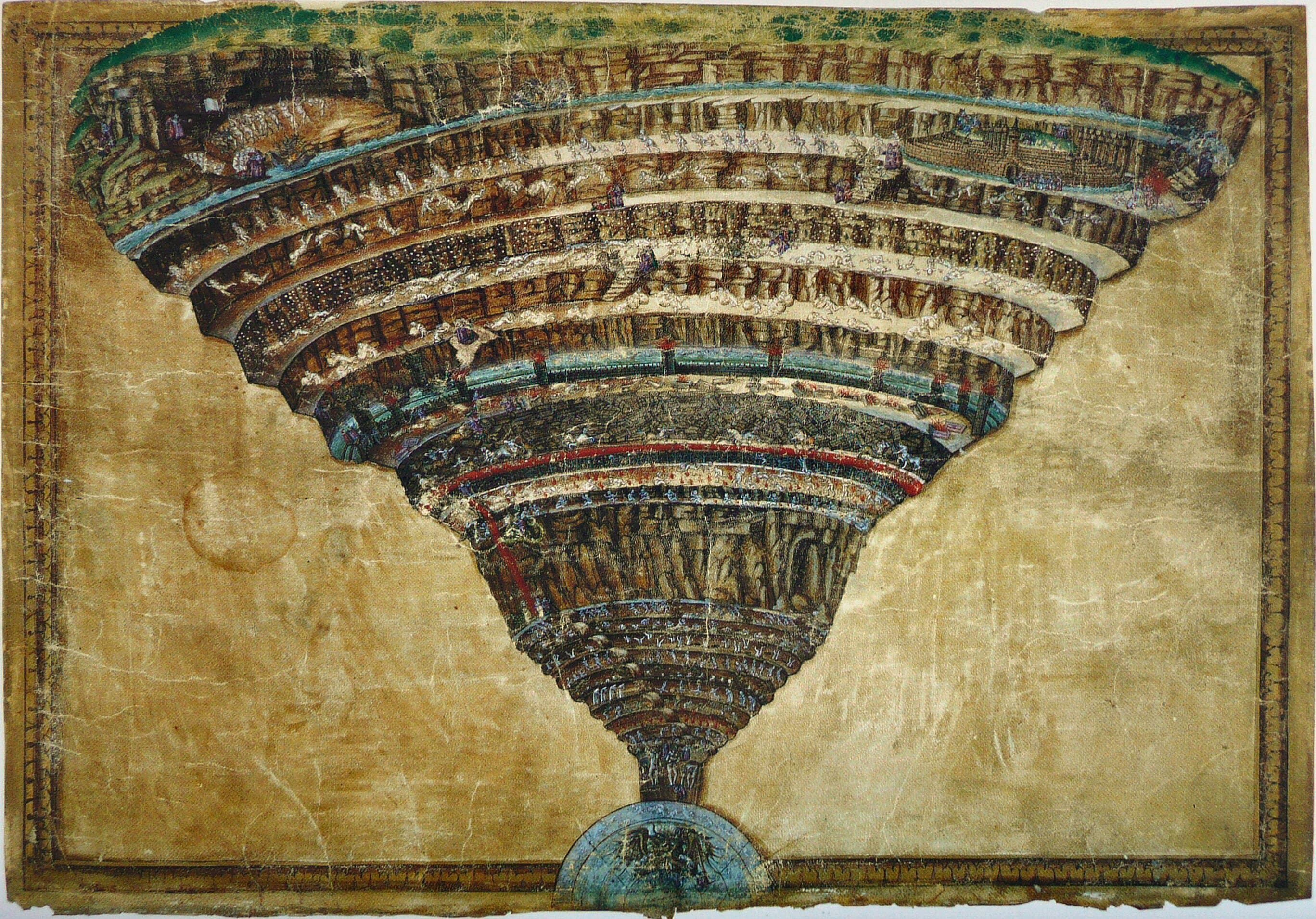
The Divine Comedy
A long-form poetic journey whose architecture, allegory, theology, political context, voice, and imagined geography reward several different reading lenses.
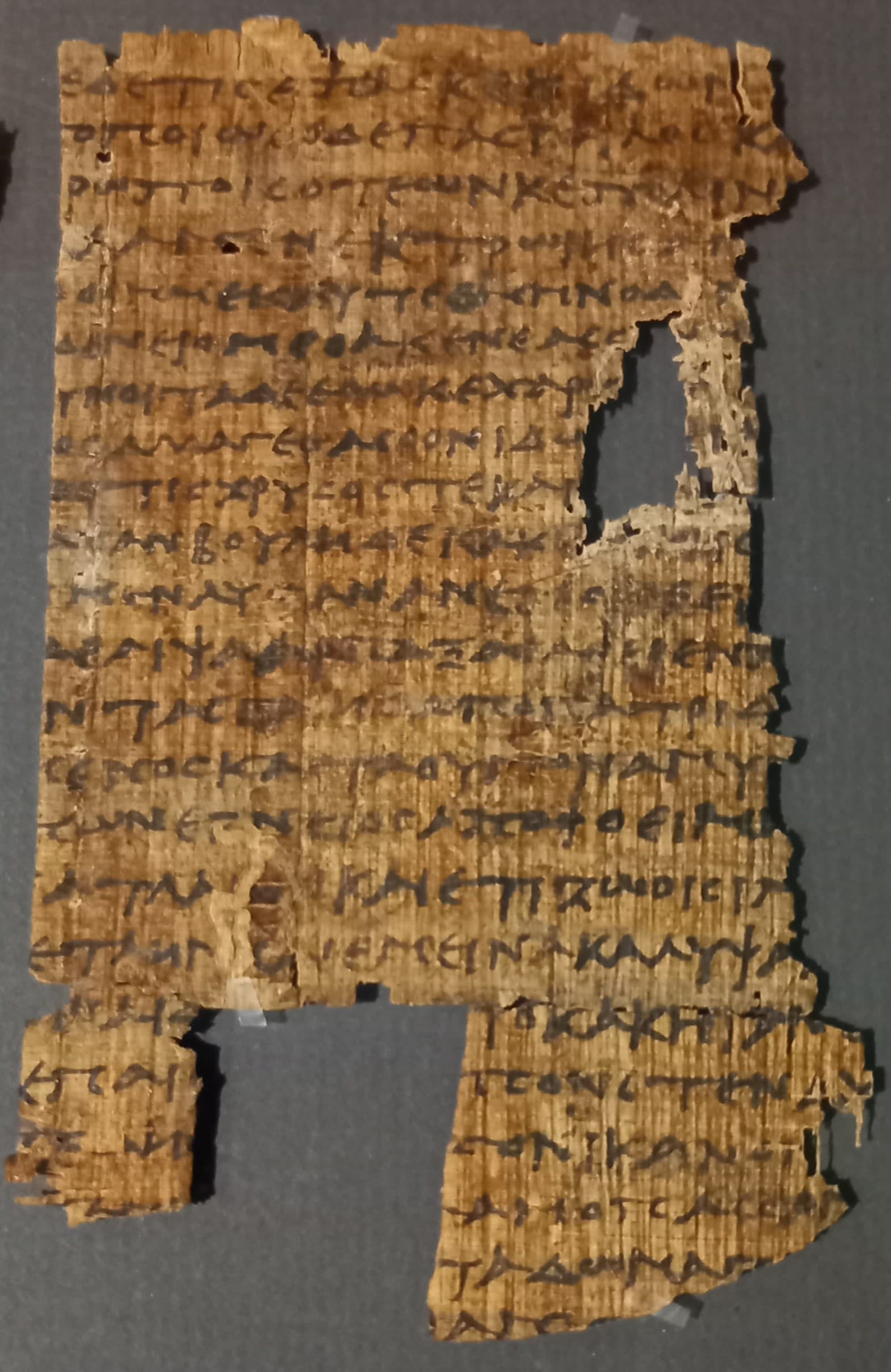
The Odyssey
An ancient Greek epic shaped by oral tradition, return, hospitality, identity, storytelling within storytelling, recognition, and the instability of heroic reputation.